
Why Real Madrid sacked Xabi Alonso? 5 key reasons revealed, led by clash with Vinícius Jr
The football world was sent into a frenzy on Monday when Real Madrid officially announced that Xabi Alonso was no longer serving as the head coach. This decision came less than 24 hours after a 2-3 defeat to their arch-rivals, Barcelona, in the Spanish Super Cup final held in Jeddah.
The news was particularly shocking because, just days prior, Spanish media outlets suggested that President Florentino Perez still maintained full confidence in the 44-year-old manager. Many observers argued that Madrid’s performance in the final was a significant improvement compared to their heavy defeats a year ago.
However, according to reports from Marca and The Athletic, the reasons for his dismissal went far beyond a single match result.
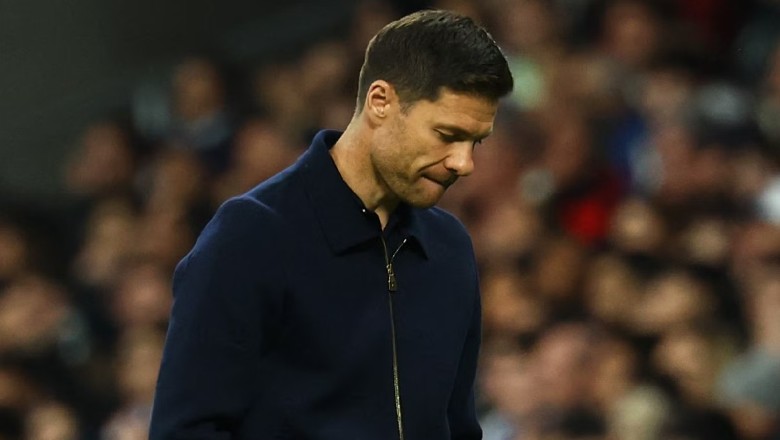
While the "marriage" between Alonso and Real Madrid began with high expectations last June at the Club World Cup, it ended abruptly after only 8 months. Here are the 5 primary reasons that led to the termination of the Basque coach's contract.
The erosion of results and strategic identity
Alonso’s tenure began brilliantly, as he guided the team to victory in 17 out of his first 20 matches. However, this momentum stalled after a devastating 5-2 loss at the Metropolitano against Atletico Madrid. This defeat marked the disappearance of the "high pressing" style that Alonso had promised.
Instead of the high-energy "rock and roll" football fans expected, the team began to look lethargic. Statistics showed a significant decline in physical output, leading to suspicions regarding the squad's physical preparation under Alonso’s staff.
Losing the "brain" of the midfield
A major point of contention was the management of the squad's midfield. Alonso had specifically requested the club sign a "brain" to dictate play, specifically targeting Martin Zubimendi.
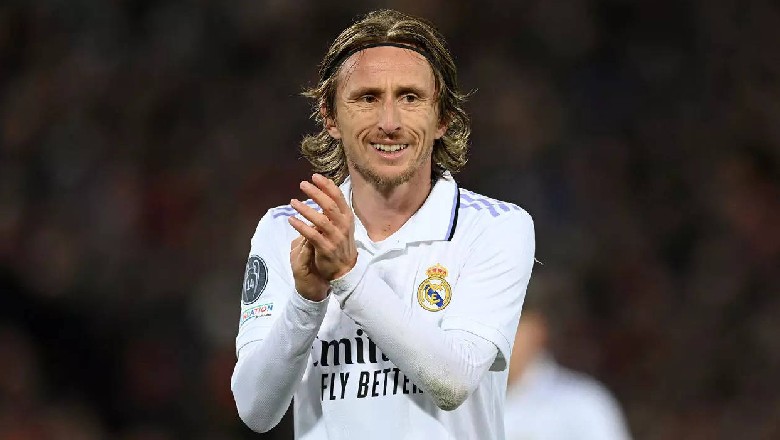
However, the club opted to invest 60 million euros in Mastantuono instead. Furthermore, the board decided to let Luka Modric depart against Alonso’s wishes. This left the midfield "orphaned" of creative feet. Players like Tchouameni, Camavinga, and Valverde possessed great physicality, but they lacked the subtlety to set the tempo, causing the team to struggle immensely against low-block defenses.
Tactical rigidity and over-intervention
Unlike the relaxed and flexible management style of Carlo Ancelotti, Alonso was highly interventionist. He demanded strict adherence to tactical details, constant video analysis, and complex board instructions.
While this worked at Bayer Leverkusen, many Real Madrid superstars did not take kindly to this level of micromanagement. The players felt restricted, and the fluid, creative football that defines the "Madrid DNA" was replaced by a rigid system that lacked the promised electricity.
The civil war
Perhaps the most damaging factor was the breakdown of relationships with the squad's core pillars: Vinícius Júnior, Jude Bellingham, and Federico Valverde.
The friction with Vinícius began in October 2025 during a match against Barcelona. Despite winning, Alonso substituted the Brazilian, who responded by refusing to shake the coach's hand in front of millions of viewers. When the club refused to sanction the player, Alonso felt his authority was undermined.
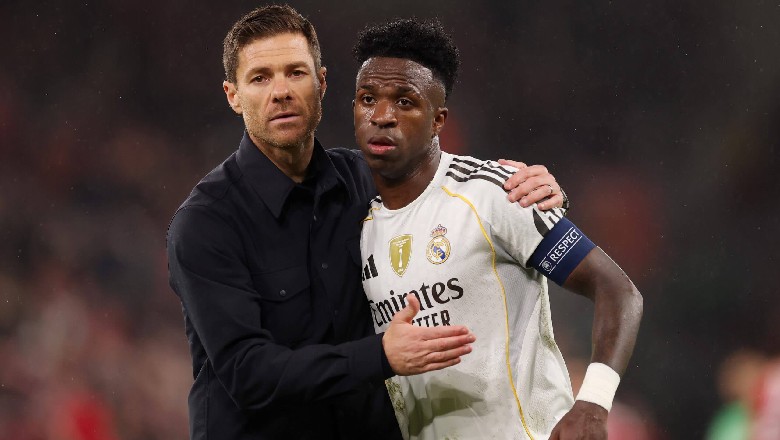
Simultaneously, Jude Bellingham, who was the undisputed star under Ancelotti, struggled to find his best form. Alonso’s tactical shifts meant Bellingham was no longer the centerpiece of the midfield, leading to a visible drop in his impact.
Federico Valverde was also reportedly unhappy; despite his loyalty, he was frequently moved out of his preferred central midfield role to cover various positions due to his versatility, preventing him from establishing any rhythm.
The "small club" image in Jeddah
The final straw occurred during the Super Cup in Jeddah. In the semi-final against Atletico, goalkeeper Thibaut Courtois was forced to make nearly 40 long kicks to bypass the opponent's pressure. This reliance on "long ball" football was seen as a betrayal of Real Madrid’s status. The board felt the image of a "diminutive club" without resources or courage was unacceptable for a team of Madrid's stature.
The Most Popular
-
 How many games are in a League 1 season? The 5 most successful clubs in league history
 -
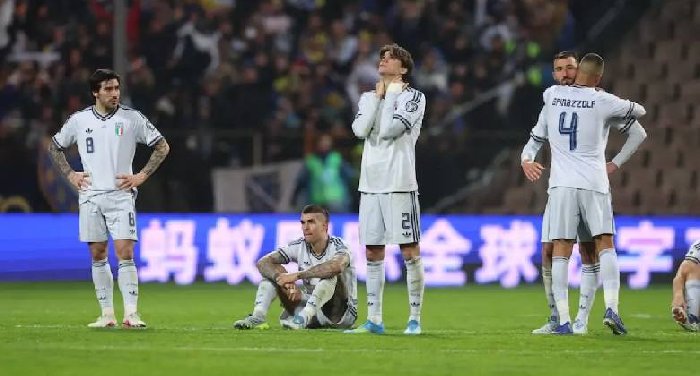 Missing World Cup 2026: Why is Italy so bad at football recently?
 -
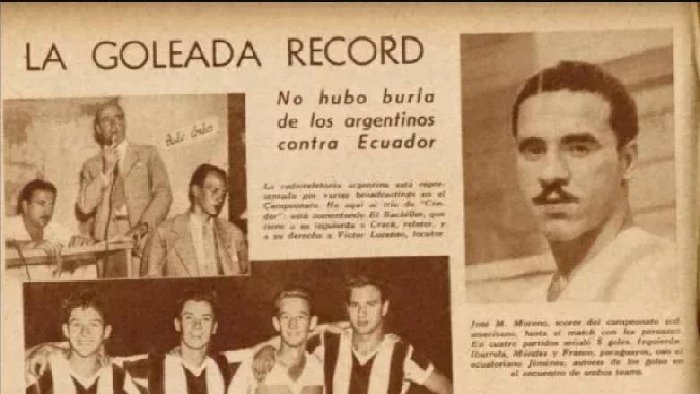 What is Argentina's biggest win in football history? When Argentina produced a stunning two-digit victory
 -
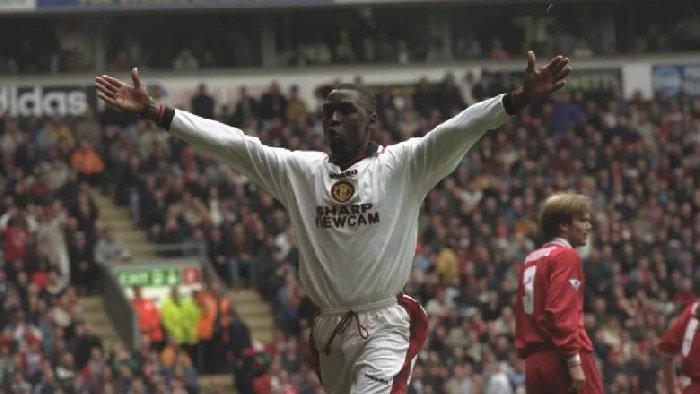 Who scored the most goals against Liverpool? The former Manchester United star leads the way
 -
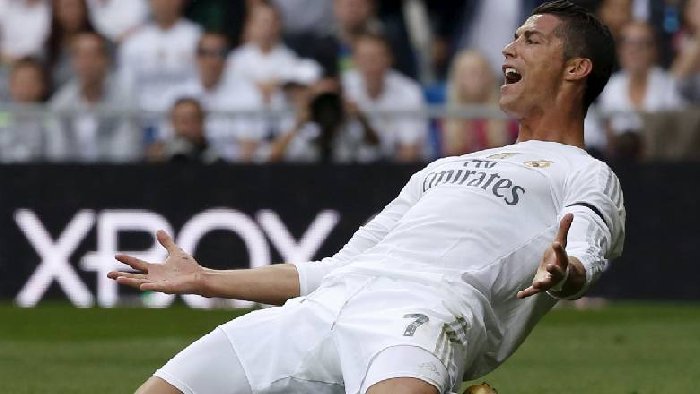 Real Madrid all time XI: The greatest Galácticos ever assembled
 -
 What position does Bellingham play for Real Madrid? Key facts about England’s superstar
 -
 Who is the coach of France national football team? Interesting facts you should know
 -
 Top 5 greatest moments in World Cup history: The night Lionel Messi finally claimed his crown
 -
 How much did Real Madrid buy James Rodriguez? Top 5 interesting facts of Colombian midfielder
 -
 How much did Real Madrid pay for Luka Modric? Some fun facts about the Croatian midfielder